
Looksmaxxing for Gay Men: Confidence, Body Image and Self-Worth
Spend just a few minutes on TikTok, Instagram or Reddit, and you'll probably come across the term 'looksmaxxing'.
For some people, looksmaxxing is simply about becoming healthier, feeling more confident and presenting the best version of themselves. For others, it can turn into an endless pursuit of perfection, fuelled by cosmetic procedures, comparison, and impossible beauty standards.
Within the gay and queer community, conversations about appearance can feel even more intense. Dating apps, social media and community expectations often place significant value on youth, fitness and physical attractiveness. While there is nothing wrong with wanting to look your best, constantly feeling that you need to improve your appearance can affect your confidence, relationships and mental health.
Recently, I had a client talking to me about looksmaxxing and the differences in the terminology. Understanding that looksmaxxing includes softmaxxing and hardmaxxing, which can assist and help you make decisions that support both your wellbeing and your self-confidence.
What Is Looksmaxxing?
Looksmaxxing refers to making intentional changes to improve your physical appearance.
For some people, this means eating well, exercising regularly and developing healthier habits. For others, it includes cosmetic procedures designed to change permanent features.
The goal is often the same: to become more attractive.
However, not all forms of looksmaxxing have the same impact on your mental health.
The more important question may not be "How can I become more attractive?"
Instead, it may be, "Why do I believe I need to become more attractive?"
What Is Softmaxxing?
Softmaxxing focuses on improving your appearance through habits that also improve your physical and psychological well-being.
Common examples include:
Regular exercise
Healthy eating
Improving sleep
Looking after your skin
Better grooming
Finding a hairstyle that suits your face
Wearing clothes that fit well
Maintaining good dental hygiene
Improving posture
Managing stress
Building confidence
Looking after your mental health
Many of these habits improve far more than appearance. They increase energy, mood, resilience and overall quality of life.
Softmaxxing asks: "How can I become the healthiest version of myself?"
What Is Hardmaxxing?
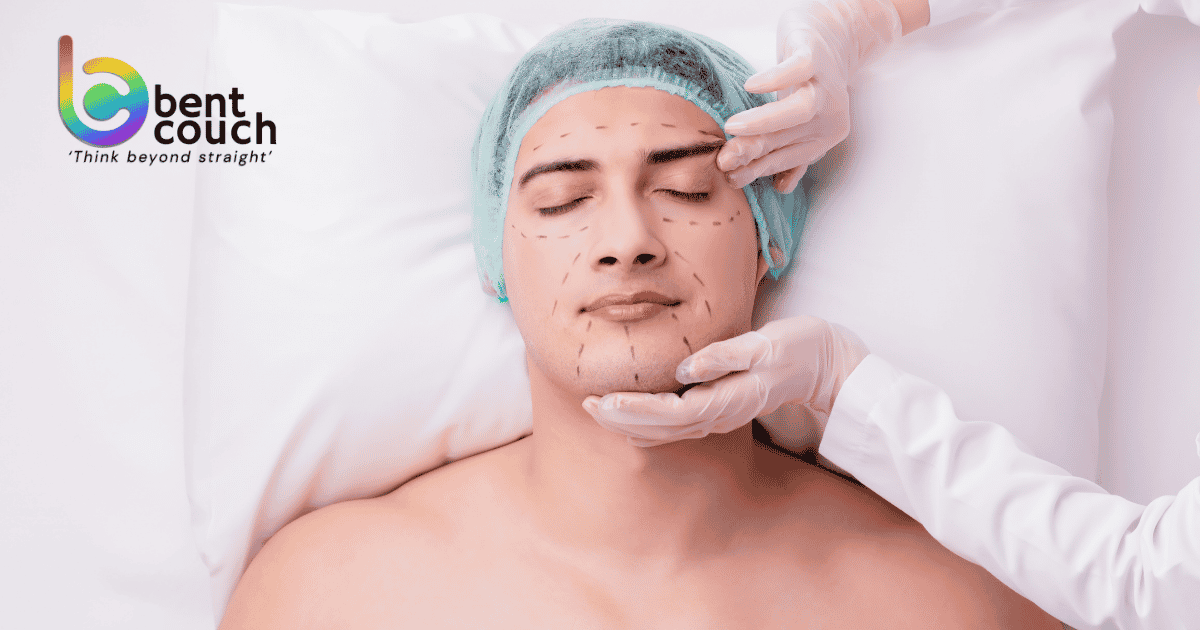
Hard maxxing refers to changing aspects of your appearance through medical, cosmetic or surgical procedures.
Examples include:
Rhinoplasty
Jaw implants
Hair transplants
Botox
Dermal fillers
Cosmetic dentistry
Laser skin treatments
Liposuction
Body sculpting procedures
Orthodontic treatment for cosmetic reasons
These procedures are not inherently good or bad.
Many people feel more confident after cosmetic treatment and experience positive outcomes.
The challenge occurs when someone believes changing their appearance will finally make them feel worthy, accepted or lovable.
No cosmetic procedure can permanently change how someone feels about themselves if the underlying issue is shame, anxiety or low self-esteem.
Why Looksmaxxing Can Feel Different for Gay and Queer Men
Appearance has always played an important role within many parts of gay culture.
Dating apps often encourage quick decisions based almost entirely on photographs.
Social media rewards physiques, aesthetics and highly curated lifestyles.
Body ideals can become internalised from a young age, especially for men who already felt different while growing up.
Many gay and queer men describe feeling pressure to be:
Lean
Muscular
Younger looking
Fashionable
Sexually desirable
Well groomed
While these pressures affect many people, they can become particularly powerful when someone is searching for belonging within the LGBTQIA+ community.
Over time, appearance can become confused with worth.
The Psychology Behind Looksmaxxing
In counselling, appearance is rarely just about appearance.
Often it is connected to much deeper experiences, including:
Fear of rejection
Internalised shame
Childhood bullying
Loneliness
Social comparison
Perfectionism
Wanting to belong
Fear of ageing
Low self-esteem
Someone might believe: "If I just looked better, I'd finally feel confident."
Yet confidence rarely comes from appearance alone.
Without addressing the emotional reasons behind these beliefs, even significant physical changes often provide only temporary relief before the next perceived flaw appears.
Softmaxxing and Mental Well-being
Softmaxxing tends to improve both physical and psychological health because the focus extends beyond appearance.
Benefits may include:
Better confidence
Improved mood
Increased energy
Reduced anxiety
Better sleep
Greater resilience
Improved body appreciation
Better long-term health
Importantly, many of these benefits occur even if your appearance changes very little.
The goal becomes caring for yourself rather than trying to earn acceptance.
When Hardmaxxing May Be Helpful
There is nothing inherently wrong with cosmetic procedures.
Many people make thoughtful decisions and are genuinely pleased with the outcome.
Before making permanent changes, it may help to ask yourself:
Am I making this decision for myself?
Would I still want this procedure if social media did not exist?
Am I hoping this will solve emotional pain?
Are my expectations realistic?
Will this improve my life, or am I hoping it changes how I feel about myself?
When cosmetic procedures are chosen from a place of self-respect rather than self-criticism, they are more likely to contribute positively to wellbeing.
Questions to Ask Yourself Before Looksmaxxing
Before changing your appearance, consider asking yourself:
Do I want to feel healthier or simply look different?
What do I hope this change will give me?
Am I comparing myself to people online?
Can I appreciate my body while still wanting to improve it?
If nobody commented on my appearance, would I still want this change?
These questions encourage reflection rather than impulsive decision-making.
Confidence Comes From More Than Appearance
Looking after your appearance can absolutely improve confidence.
However, lasting confidence usually develops through:
Self-acceptance
Meaningful relationships
Emotional resilience
Healthy boundaries
Personal values
Feeling connected to your community
Living authentically
These qualities remain even as our appearance changes with age.
There is nothing wrong with wanting to improve your appearance.
Looking after yourself can be an act of self-respect.
The important question is not whether you choose softmaxxing or hardmaxxing.
The important question is whether your choices are driven by self-care or by the hope that becoming more attractive will finally make you feel enough.
The healthiest form of looksmaxxing is one that improves your wellbeing, strengthens your confidence and helps you build a life that feels meaningful, not simply one that looks good online.
Frequently Asked Questions
Is looksmaxxing healthy?
It can be. Softmaxxing often supports physical and mental well-being through healthy habits. Hardmaxxing may also be appropriate for some people when decisions are well informed, realistic and not driven by shame or unrealistic expectations.
What is the difference between softmaxxing and hardmaxxing?
Softmaxxing involves non-surgical improvements such as exercise, nutrition, skincare and grooming. Hardmaxxing involves medical or cosmetic procedures that permanently or significantly change appearance.
Why do gay men experience pressure to look attractive?
Many gay and queer men grow up navigating rejection, body image concerns and appearance-focused environments such as dating apps and social media. These experiences can increase pressure to meet particular beauty standards, although everyone's experience is different.
Can improving my appearance improve my mental health?
Looking after your health and appearance can improve confidence and wellbeing. However, if feelings of shame, anxiety or low self-esteem are driving the desire to change, counselling may help address the underlying emotional concerns.
About Bent Couch
At Bent Couch, we work with gay and queer men navigating body image concerns, self-esteem, anxiety, perfectionism, relationships and identity. Together, we explore not only how you see yourself, but also where those beliefs came from and how you can build confidence that is based on more than appearance.
If concerns about body image or self-worth are affecting your life, book a free discovery call to explore whether counselling is right for you.
Shaun

